A Designer's Practical Look at the 100 Days of 5th Grade Embroidery Design
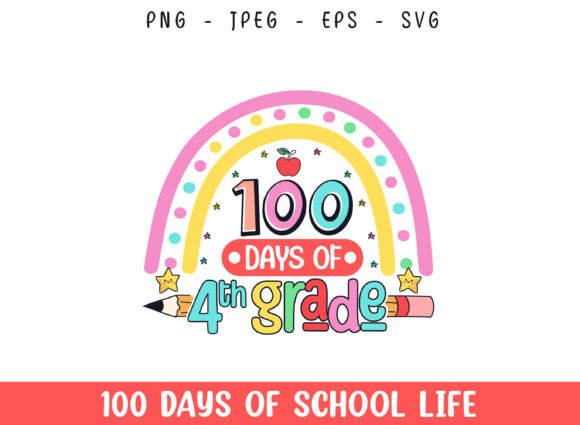
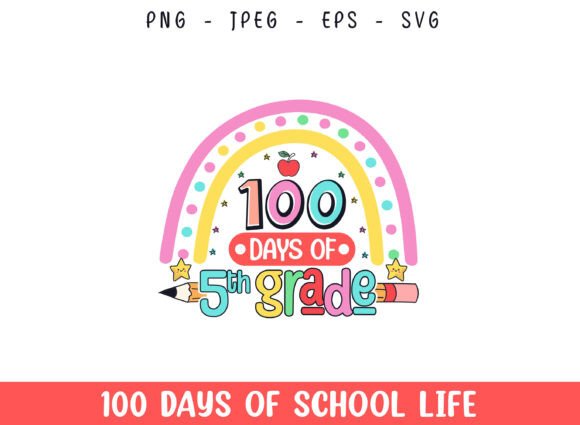
As someone who stitches designs for clients and my own small shop, my first question about any embroidery file is always: "Where does this belong in the real world?" When I opened the 100 Days of 5th Grade School Life Design, my immediate impression was a cheerful, milestone-centric vibe. The layout feels celebratory—it’s clearly built around that "100 Days" achievement, which is a big deal for that age group. The visual personality is straightforward and friendly, not overly cluttered, which is a good sign for a clean stitch-out.
The Natural Home for This School Life Design
This isn't a design I'd automatically put on a delicate baby blanket. Its spirit is more robust, belonging to items that celebrate a personal accomplishment. I immediately pictured it on a tote bag for a student to carry their books, or as a central motif on a sweatshirt for a class spirit day. The scale suggests it would work well as a statement piece on the back of a cap or as a framed patch on a backpack. For a craft business, this design slots perfectly into the "personalized school gear" niche—think custom apparel for a specific grade level, especially the Class of 2025 angle noted in the description.
Imagine a real scenario: a local boutique wants a line of commemorative items for the 100th day of school. This embroidery design could be the hero asset, stitched onto apron pockets for teacher gifts, on the corner of pillow covers for a child's room, or on kitchen towels as a fun keepsake for parents. The mood is light and proud, which translates well into holiday gifts or small shop merchandise for that back-to-school or mid-year celebration season.
Where the Design Shines and Where to Be Cautious
The product description highlights the ability to easily change color, which is a crucial point for us as makers. This flexibility means you can adapt it for a dark t-shirt with bright threads or a white tee with more subdued colors. This directly affects your product value and customer trust—offering options increases appeal. For machine embroidery on items like mugs (using a special hoop), the vector-based construction should help with crisp edges.
However, with any design centered on text and potentially detailed elements, you need to be observant. On curved surfaces like caps, any tiny lettering could lose clarity if the stitch density isn't adjusted. On stretchy fabric like a typical sweatshirt, a dense fill stitch area in the main graphic might need extra stabilizer to prevent puckering. I’d be careful using it on very thin fabric where the stitches could feel too heavy. Always test on scrap fabric first, matching the final product's texture.
For dark fabric backgrounds, the promise of easy color change is key, but you must check thread color contrast in a mockup. A white or light satin stitch outline might pop, but a mid-tone fill stitch could get lost. Run a simple black and white preview to see how the shapes hold up without color, which tells you about the fundamental structure.
Practical Notes for Your Embroidery Project
Before running this file on a client’s custom apparel or your own handmade product, there are a few steps I always take. First, review the stitch density in your software preview. A design made with vectors can sometimes translate into very dense stitching, which is fine for a tote bag but might be too stiff for a baby embroidery item or a soft blanket. Second, confirm the hoop size needed. This design likely needs a decently sized hoop to maintain detail integrity; trying to shrink it too much for a tiny tea towel corner might compromise the "100 Days" recognition.
Inspecting the small details is vital for professionalism. Look at the corners of any shapes and the junctions between elements. Clean transitions mean a smoother stitch-out and a more polished finished product. Since this falls under the Graphics and Crafts category, it’s presumably a digital embroidery file meant for commercial use, but always confirm the licensing before selling finished items or incorporating it into your brand's line. Does it allow for commercial embroidery, or is it for personal use only? This affects every small business owner and Etsy seller.
Use proper stabilizer for the fabric you choose. For a decorative patch, you might stitch it on a robust stabilizer and then apply it. For direct embroidery on a layered garment like a jacket, a firmer stabilizer is a must. This attention to foundation work directly impacts the handmade presentation and longevity, especially for products that need frequent washing.
The Bigger Picture: Customer Engagement and Giftability
From a business perspective, this design has clear giftability. It’s specific enough (5th Grade, 100 Days) to feel personalized, yet universal enough for any student hitting that milestone. That specificity builds buyer engagement—a parent looking for a unique celebratory gift will connect with it immediately. For an apparel decorator, offering this on a choice of base products (tote bag, sweatshirt, apron) creates a cohesive, trustworthy product line.
The visual appeal, when stitched cleanly, should be high. The theme is instantly recognizable, which is great for craft fair products where quick, visual communication matters. For digital product sellers offering printable mockups, this design can be a strong asset to showcase on various products, helping customers visualize the final outcome. Its clarity affects stitching clarity: a well-digitized design will have smooth satin stitches and clean running stitch details, making the final embroidery look professional and increasing its perceived value.
In the end, the 100 Days of 5th Grade School Life Design feels like a practical, mood-fitting tool for makers targeting the school celebration market. Its strength is its focused theme and adaptable color potential. Your job as the embroidery designer is to pair it with the right fabric, the right stabilizer, and the right product context—then it should stitch out as a confident, cheerful emblem of a school year’s journey.