A Designer's Review of 100 Days of School Teach Sublimation PNG
First Impression: A Celebration of Classroom Joy
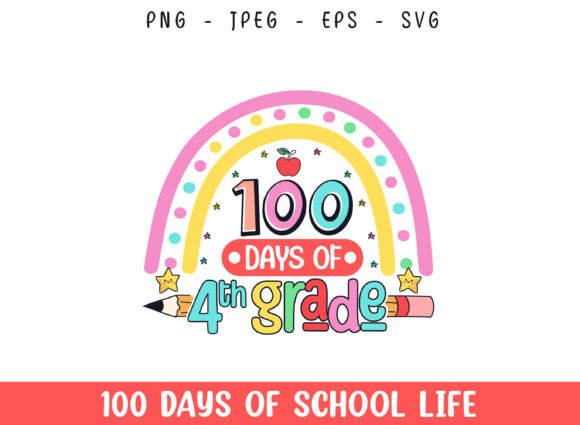
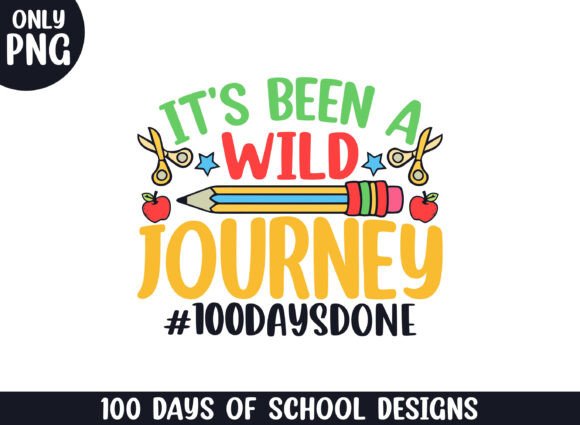
When I first look at the 100 Days of School Teach Sublimation PNG, I see a design built for celebration. The theme instantly evokes that wonderful milestone in the school year, and the layout feels designed for clarity and fun. This isn't a complex, intricate piece; it's a graphic with a clear, cheerful personality. That makes it a strong candidate for projects meant to be instantly understood and appreciated—perfect for commemorative gifts or merchandise. The detail level suggests it would translate well into an embroidered patch or a bold central motif on apparel, where the message needs to be front and center.
Where This Design Shines in Real Projects
I'm thinking through real-life embroidery projects where this would fit naturally. A custom embroidered tote bag for a teacher, for instance. The design's celebratory mood would make that tote a cherished, personalized gift. Similarly, on a child's sweatshirt or a baby item like a keepsake blanket for a teacher's own little one, it tells a sweet story. For small business owners, this graphic could anchor a line of holiday embroidery products for the 100th day—think simple pillow covers, aprons for classroom helpers, or even kitchen towels with a school-themed twist. The versatility mentioned in the description points to its use beyond stitching, but for our purposes, its clean shapes are ideal for satin stitch borders and solid fill stitch areas.
Considering the Stitching Environment
How would the 100 Days of School Teach Sublimation PNG perform once it's punched into fabric? On a sturdy tote bag or a smooth sweatshirt, I expect it to hold up beautifully, maintaining stitching clarity. The value it adds to a handmade product is clear—it turns a generic item into a specific, meaningful one. That boosts customer trust and engagement in a craft business setting. However, its success hinges on execution. On textured or very thin fabric, smaller details might get lost. Embroidering onto dark fabric would require careful thread color selection to keep the design bright and legible.
Caution Zones: Where to Plan Carefully
Every design has its considerations. For this one, I'd be cautious on very small hoop sizes. If the design is scaled down too much for a cap or a tiny baby embroidery on a sleeve, any fine lettering or decorative accents could become a dense, muddled area of stitches. Stitch density needs to be managed. Similarly, curved surfaces like caps demand excellent stabilizer and technique to keep the design looking sharp. For products destined for frequent washing, like apparel, ensuring the embroidery is secure and the threads are colorfast is paramount—a good design falls apart if the finish isn't durable.
The Impact on Your Craft and Business
Using a design like this affects more than just the product. It influences your brand consistency if you're a Etsy seller focusing on school themes. It enhances professionalism when the finished item is clean and well-executed. Most importantly, it increases giftability and recognition. A parent or student immediately knows what this commemorates, making it a powerful choice for personalized gifts. For commercial embroidery, it's a straightforward, appealing design asset for creating seasonal small shop product lines.
Practical Notes From the Hoop
Before I'd run this machine embroidery design for a client or my own craft business, I'd follow a few grounded steps. Always test the design on scrap fabric first, ideally the same material as your final project. This reveals how the fabric texture interacts with the stitches. Check thread color contrast thoroughly against your background. Review stitch density in your software—are there areas that might be too thick? Confirm hoop size requirements; don't assume. Inspect small details in a preview to ensure they'll stitch out cleanly. It's also wise to test it in black and white mockups and compare light and dark fabric backgrounds to understand its adaptability. Finally, since the product description mentions versatility for printables and transfers, I'd advise checking whether the design works for both personal and commercial projects and confirm licensing before selling finished items or digital products. The description doesn't specify exact terms, so that verification is a crucial step.
A Real Scenario: The Teacher's Tote
Let's picture a concrete project: a custom tote for a first-grade teacher celebrating her class's 100th day. Using the 100 Days of School Teach Sublimation PNG as the core embroidery file, I'd choose bright, cheerful threads on a neutral canvas bag. The design's clear theme would make the tote both useful and deeply personal. I'd consider adding a name or year with a simpler font to complement it. In this application, the design's visual appeal would be high, its stitching clarity would be excellent on that fabric, and the finished product would feel professional and thoughtful—exactly what a creative entrepreneur aims to deliver. It's in these real-world applications that a design's true value is measured, and this one has the foundation to perform very well.