Evaluating a “Truly Great Science Teacher” Embroidery Design
When you download a new embroidery file, especially one with a message like “Truly Great Science Teacher Is Hard PNG,” your first thought as a designer isn’t just about the file itself. It’s about the potential project. You’re imagining how it will stitch out, what fabric it will suit, and who the final product will delight. Let’s walk through that practical evaluation.
The Immediate Character of This Design
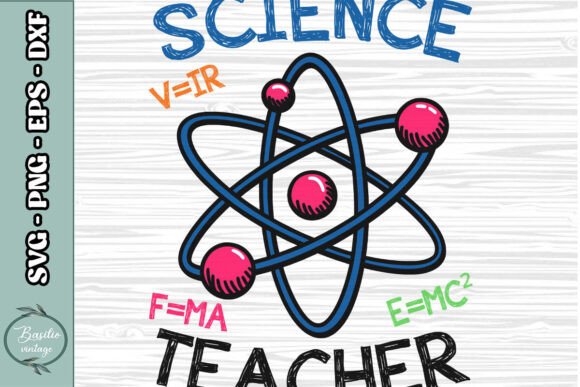
The phrase itself sets a very specific, appreciative mood. It’s not a generic slogan; it’s a heartfelt acknowledgment. That gives the design an immediate personality—one of respect, warmth, and a touch of humor. From a purely visual layout perspective, a design like this likely centers on clear, bold lettering, possibly with some illustrative accents. The “hard” part suggests a playful nod to the challenge of teaching, which could be conveyed through font choice or a simple graphic element. This isn’t a overly detailed, dense artwork; it’s a statement piece. That means it naturally belongs to projects where the message is the hero: a custom tote bag for a teacher’s supplies, an apron for a science classroom volunteer, or the centerpiece on a congratulatory pillow for an award-winning educator.
Where This Design Finds Its Home
In real-life embroidery, this file shines on personalized gifts and small business merchandise with a niche focus. Picture a high-quality cotton sweatshirt, embroidered neatly over the left chest. It becomes a unique, wearable token for a teacher. On a sturdy canvas tote bag, it transforms a simple carryall into a profession-specific accessory. For crafters selling at holiday markets or on Etsy, this design is perfect for creating “end of year” or “teacher appreciation” gift items—think embroidered tea towels, simple pillow covers, or even a nicely finished patch that can be ironed onto a backpack.
The appeal for baby clothes or nursery decor might be less direct, but for a child’s science-themed birthday shirt for a teacher-parent, it could be wonderfully personal. As a boutique product, it adds a layer of thoughtfulness that generic text can’t match, increasing the perceived value and giftability of the finished item. For commercial embroidery projects, like a small batch of caps for a school’s science department, it offers clean recognition and professionalism.
Scenarios Where You Might Proceed Carefully
Every design has its ideal applications and its less-perfect ones. For a text-centric file like this, the small details are the lettering. If the design includes very fine script or tiny decorative elements, you’ll want to be cautious on small hoop sizes or textured fabrics like certain knit sweatshirts, where stitches can sink in. On stretchy fabric for t-shirts, a robust stabilizer is non-negotiable to keep the text sharp.
Embroidering on dark fabric demands careful thread color contrast planning; a white or bright fill stitch might be perfect. Also, consider the stitch density. A dense fill area in the word “Hard,” for example, could feel stiff on a lightweight garment like a polo shirt. Testing on a curved surface like a cap brim is always wise to see how the layout adapts. For products destined for frequent washing, like kitchen towels, a simpler, less densely stitched version of the design would ensure longevity. The key is to match the design’s technical character to the product’s physical demands.
How This Design Impacts Your Project’s Success
Using a well-executed embroidery file like this directly affects customer trust and engagement. When a finished embroidered tote bag has clean, crisp lettering with no puckering, it speaks to your skill and care as a maker. That enhances your handmade presentation and builds brand consistency for your craft business. For the buyer, it creates a product that feels specific and considerate—far more engaging than a mass-produced item.
From a commercial perspective, whether you’re an Etsy seller or an apparel decorator, offering products with this theme taps into a dedicated audience. Science teachers, their families, and schools are a niche but appreciative market. A successful stitch-out of this design on a mockup or the final product becomes a strong digital asset for your listings, showcasing your ability to handle text-based designs with clarity.
Practical Notes Before You Hoop the Fabric
My standard practice before any project, especially with a new design, is to run a test on scrap fabric of the same type I plan to use. For “Truly Great Science Teacher Is Hard PNG,” this is crucial to check the clarity of the lettering and any small details. Assess the thread color contrast against your background fabric—sometimes a black-and-white digital mockup can help visualize this. Review the stitch density in the preview; does it look suitable for your chosen fabric weight?
Confirm the hoop size you’ll need. A text design might require a smaller hoop than you think, or perhaps a larger one if it’s a wide statement. Always use the proper stabilizer for your fabric; this is the unsung hero of crisp embroidery. Finally, and this is vital for any designer selling finished items: check the provided licensing terms for this digital embroidery file. Ensure your use—whether for personal gifts or commercial products like sweatshirts for your small shop—is permitted. Never assume.
Embracing a design like this is about seeing its story and technical potential. It’s a graphics file in the Crafts category, but in your hands, it becomes a tangible product carrying a meaningful message. By evaluating it through this lens of real use, you ensure the final embroidered piece isn’t just a craft, but a truly great finished product.