Reviewing the Winner Candy Holder-School Candy Holder Embroidery File
A First Impression That’s Sweet and Savvy
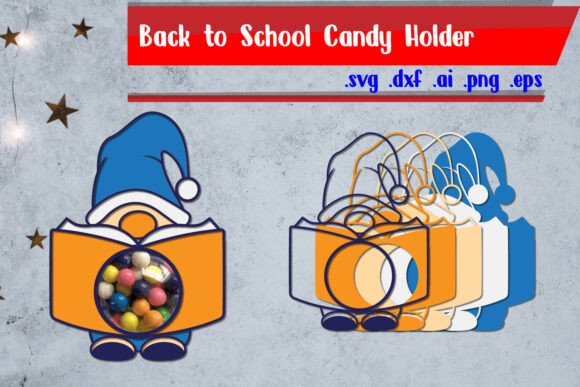
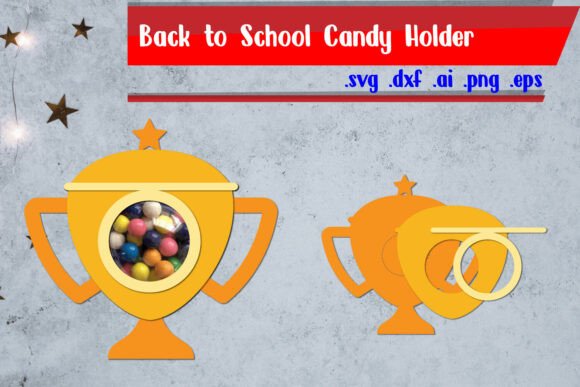
When I open a new embroidery design, I’m looking for its immediate visual personality. The Winner Candy Holder-School Candy Holder makes its case quickly: it’s cheerful, celebratory, and has that specific school spirit vibe. The layout feels balanced, not overly cluttered, and the theme is instantly recognizable. This isn’t a generic graphic; it’s clearly for a winner, for a celebration, for a moment of achievement. The detail level looks manageable—it’s not a miniature masterpiece that would require a tiny hoop and expert tension control, but it has enough character to stand out on a project. My first thought was that this belongs on something personal and joyful. A custom tote bag for a teacher, a sweatshirt for a graduating student, or a pillow cover for a proud parent.
Where This Design Finds Its Perfect Home
In practical terms, this embroidery file has a wide, but specific, range. I’ve mentally placed it on several real projects already. For a custom apparel piece like a sweatshirt or t-shirt, it would act as a great central motif. On a sturdy tote bag, it would hold up beautifully as a daily-use statement. For small business merchandise, think about boutique team sports gear or a local school’s fundraiser items—it has that giftable, celebratory quality. As a personalized gift, embroidered onto a baby blanket for a “little winner” or a kitchen towel for a baking champion, it adds a custom touch without being overly sentimental. It also translates well into digital realms: the included formats make it solid for creating printable mockups for your Etsy listings or for use as a commercial embroidery asset if licensing permits.
The Sweet Spot for Stitching
Considering real-life embroidery situations, the Winner Candy Holder-School Candy Holder’s clarity is key. On a mid-weight cotton or canvas, like a tote bag or apron, the stitches should pop nicely. For baby embroidery on a softer knit, careful stabilizer choice will be crucial to prevent puckering. As an embroidered patch, it could be a standout item—the theme is self-contained and would look great appliquéd onto a cap or jacket. I’d avoid overly textured fabrics where the finer details might get lost, and very thin fabrics where the stitch density could cause distortion.
Considerations Before You Hoop It Up
This isn’t a design I’d just load and stitch blindly. Like any good embroidery file, it requires a bit of prep. On dark fabric, you’ll need to think about thread color contrast—some elements might need a lighter palette to remain legible. For curved surfaces like caps, the overall shape seems compatible, but those detailed corners might need a slight adjustment in placement. If you’re thinking of using it on products that need frequent washing, like tea towels or baby clothes, a robust stabilizer and quality thread will ensure it lasts.
Where I’d be most cautious is in very small hoop sizes. Trying to shrink this down too much could compromise the stitching clarity, especially any potential lettering or fine outlines. Always test the design on scrap fabric first, with the same background color and texture as your final project. This tells you more than any preview can.
How It Elevates Your Finished Product
From a business and aesthetic standpoint, using a design like the Winner Candy Holder-School Candy Holder affects more than just the stitch pattern. For a crafter or Etsy seller, it adds a layer of specific appeal—it’s not a vague “cute” graphic; it’s a “winner” graphic. That boosts customer trust because the product feels intentionally designed for a niche. The handmade presentation gains a professional, coherent look when the design is well-executed, supporting your brand consistency if you specialize in celebratory or school-themed items. As a holiday embroidery gift or end-of-year present, its recognizability increases its giftability. For the buyer, it’s engaging because it connects directly to a personal achievement or celebration.
A Designer’s Practical Notes for Your Project
Before you commit this to a client project or your next craft fair item, run through this checklist. Check thread color contrast for your fabric choice—do a quick mental or digital color swap. Review stitch density by looking at the file previews; are there large fill areas that might require multiple color changes or careful tension? Confirm hoop size suitability by measuring the design dimensions against your machine’s capabilities. Inspect small details in the provided PNG or other previews; are there tiny elements that might blend together when stitched?
It’s also wise to test it in black and white mockups to see how it reads purely as shape, and compare light and dark fabric backgrounds. Always use proper stabilizer matched to your fabric type. Crucially, confirm licensing before selling finished items. The product is a digital download in the Crafts and Graphics category, but you must verify if your use—especially for commercial embroidery projects—is covered. The inclusion of multiple file formats is a great asset for flexibility, but the license terms are the bedrock of your commercial use.
Final Thoughts on Real-World Use
The Winner Candy Holder-School Candy Holder, in my estimation as a designer who translates files into stitched goods, is a solid, mood-specific asset. It won’t fit every project, but where it fits—celebratory apparel, personalized gifts, school-themed merchandise—it will perform well. It has the visual personality to convey a clear message, and the layout seems stitch-friendly for most intermediate applications. Your success with it will hinge on that standard embroidery diligence: testing, stabilizing, and choosing the right fabric canvas for its cheerful story. When done right, it turns a simple sweatshirt or tote into a badge of honor, and that’s exactly what a good machine embroidery design should do.